By: Allison Ipema
Homecoming is a common favorite among most high school students. When you ask a high schooler—especially at DDHS—what their favorite school event is, there’s a high chance they’ll tell you it’s homecoming. From the list of dress up days to the various events hosted, all the way to the dance itself, homecoming has a lot to offer. But where did the tradition begin? When did schools start to celebrate, and how did it come to be the way it is today?
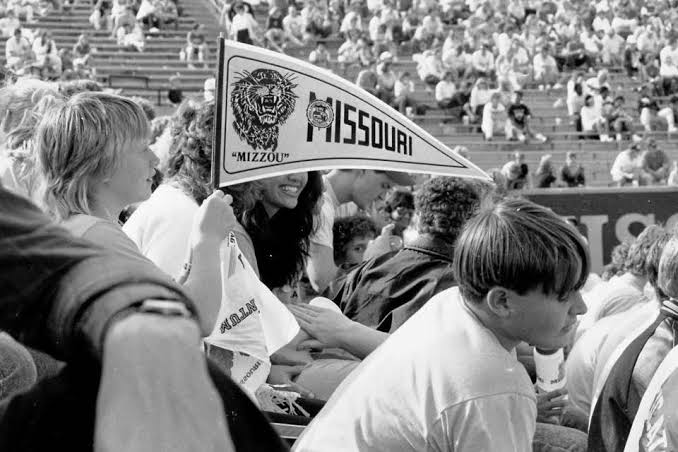
The first homecoming did not originate at a high school; many sources credit Baylor University, University of Missouri, and University of Illinois as the homecoming pioneers. This is because these colleges were among the first to celebrate their school pride with a football game. Following these celebrations that dated back to around 1910, high schools began adopting similar traditions around the 1920s and 1930s. The first high school to do so cannot easily be pinpointed, as many schools began participating around the same time. High schools celebrated homecoming with parades, homecoming courts, dances, and of course, the football game.
Each of these traditions can still be seen today, although the focus seems to have shifted from the football game alone to the week as a whole. In recent years, the most excitement for homecoming seems to have shifted toward the dance, rather than the football game. However, it’s not to say that the football game is underappreciated; the turnout is always huge, and spirits are higher than ever. Despite this, though, homecoming proposals, dress shopping, and pre-dance activities are what most students look forward to when the season finally arrives.
While the focus of homecoming has shifted from just a football game to a week full of activities and fun, one thing that remains constant is the spirit of togetherness and pride that homecoming brings to schools all over the country.
 thecometeer